
Texas Property Tax Explained for Out-of-State Buyers Moving to Austin
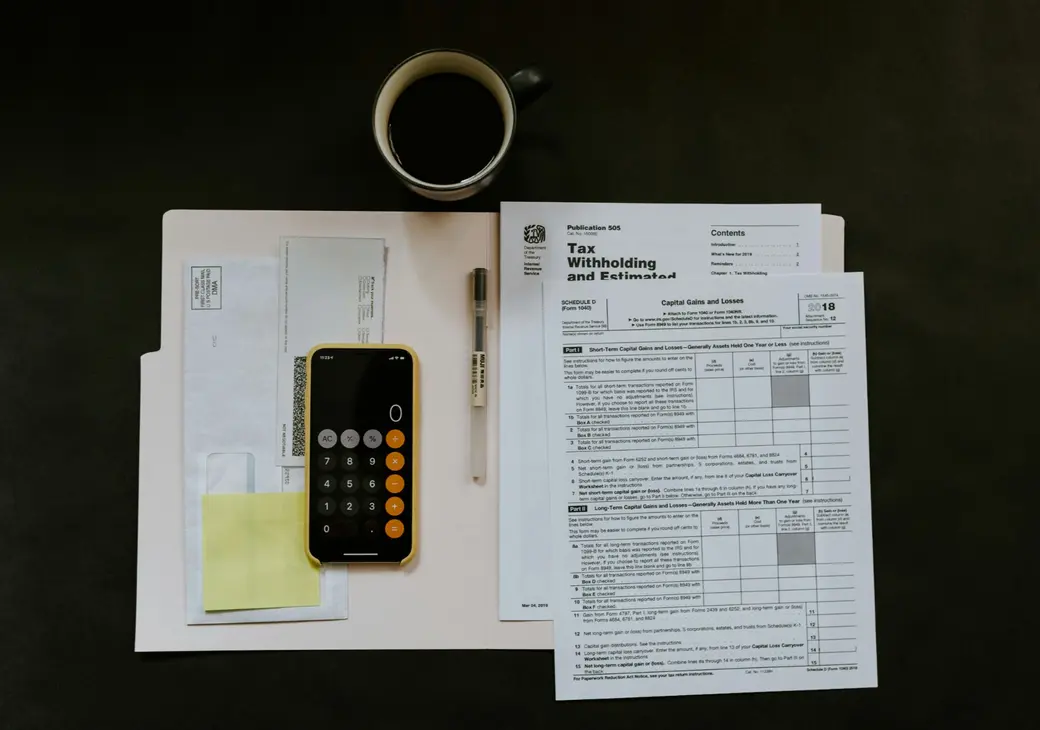
There's a moment that happens to almost every out-of-state buyer who falls in love with an Austin home. The house checks every box — updated kitchen, great backyard, ideal location. Then they see the estimated annual property tax on the listing sheet and the excitement dims a little. "Wait… that's how much per year?"
It's one of the most common surprises for people relocating to Austin from California, Colorado, Illinois, New York, or anywhere else with a different tax structure. And the good news is: once you understand how Texas property tax actually works, it becomes a lot less scary — and a lot more manageable. Here's everything you need to know before you buy a home in Austin.
WHY TEXAS PROPERTY TAXES FEEL HIGH (AND WHY THEY'RE NOT THE WHOLE STORY)
The first thing to understand is the tradeoff Texas made decades ago: no state income tax, but higher property taxes. Texas has no personal income tax, which means every dollar you earn stays in your pocket. For buyers relocating from states like California (where the top income tax rate exceeds 13%) or New York (over 10%), the math often works out favorably — especially for higher earners.
That said, Texas doesn't hide its property tax reality. According to WalletHub's 2026 rankings, Texas has the 7th highest property taxes in the nation. The effective rate in Austin hovers around 1.76% to 1.81% depending on your specific location — and that number gets applied to the full market value of your home, not a discounted assessed value.
This is where buyers from California get caught off guard. Under California's Proposition 13, assessed values are capped at 1% with minimal annual increases, meaning long-time homeowners pay taxes on values that may be decades out of date. In Texas, there is no such cap for non-homesteaded properties. Your home is appraised annually at market value by your county's appraisal district, and your tax bill reflects that current value.
HOW AUSTIN PROPERTY TAX IS CALCULATED: THE LAYERED SYSTEM
Texas property taxes aren't collected by a single entity — they're layered, which is why the combined rate can feel surprising. For a typical home inside Austin city limits, your tax bill draws from several separate taxing entities. As of 2025–2026, a representative combined rate looks something like this:
- Austin ISD: ~$0.9252 per $100 of assessed value
- City of Austin: ~$0.5240 per $100
- Travis County: ~$0.3758 per $100
- Austin Community College: ~$0.1279 per $100
- Central Health: ~$0.1180 per $100
Combined, that's roughly $2.07 per $100 of assessed value — or about 2.07% before exemptions. (The effective rate is lower once homestead and other exemptions are applied.)
If you buy in a suburb like Round Rock, Cedar Park, Pflugerville, or the Leander area, you'll be in Williamson County rather than Travis County, and your combined rate will differ. Some new construction communities also sit within a Municipal Utility District (MUD), which adds another layer to fund infrastructure like water, sewer, and roads — sometimes pushing combined rates to 2.5% or higher in the early years of development.
The practical takeaway: always ask your real estate agent and lender to calculate the specific tax rate for any property you're seriously considering, not just the rate listed on the MLS.
WHAT YOUR TAX BILL ACTUALLY LOOKS LIKE IN NUMBERS
Let's make this concrete. The average taxable homestead value in Travis County is approximately $515,000, and the median home value in the Austin metro sits around $512,000–$580,000 depending on the submarket.
On a $550,000 home with a homestead exemption applied, a typical Austin homeowner can expect an annual property tax bill somewhere in the range of $9,000–$10,500. On a $400,000 home in a suburb like Pflugerville or Round Rock, that figure might come in closer to $7,000–$9,000, depending on local rates and exemptions.
Translate that into a monthly cost: a $9,500 annual tax bill adds about $792 per month to your housing payment. That's real money, and it's one of the most important reasons to run a full cost-of-ownership analysis — not just look at the mortgage payment — when comparing Austin homes.
HOW TO LOWER YOUR PROPERTY TAX BILL (LEGALLY)
The good news: Texas gives homeowners meaningful tools to reduce their property tax burden.
File Your Homestead Exemption Immediately. As soon as you close on a primary residence in Texas, file for the homestead exemption with your county appraisal district. In 2023, Texas raised the homestead exemption to $100,000, and legislation raised it again to $140,000 — meaning that amount is subtracted from your appraised value before your tax rate is applied. On a $550,000 home, a $140,000 exemption brings your taxable value down to $410,000, which meaningfully reduces your bill. The homestead exemption also caps how much your taxable value can increase year-over-year (10% annually for homestead properties).
Protest Your Appraisal Every Year. Texas appraisal districts send out Notices of Appraised Value each spring, typically in April. You have the right to protest that value if you believe it's too high — and many Austin homeowners successfully reduce their appraised values by hiring a protest firm or filing on their own. In competitive markets where comps are hard to pin down, there is often legitimate room to negotiate.
Watch for Additional Exemptions. Texas offers additional exemptions for homeowners over 65 (which freezes school district taxes), veterans, and people with disabilities. If any of these apply to you or a co-buyer, they can provide significant ongoing savings.
BUDGETING FOR AUSTIN REAL ESTATE: THE BOTTOM LINE
If you're moving to Austin from out of state, here's the most important thing to internalize: factor property taxes into your budget from day one, not as an afterthought. Ask your lender to quote your payment with taxes and insurance included (called PITI), not just principal and interest. A payment that looks comfortable at $2,800/month can look very different at $3,600/month once property taxes are properly accounted for.
The Austin real estate market rewards buyers who do their homework. Property taxes are one of the biggest variables between Texas and other states, but they're also one of the most predictable once you know how to read them.
---
Ready to buy a home in Austin and want to make sure you're accounting for the full picture? Reach out to your Austin real estate agent — an experienced local professional can walk you through estimated taxes on any home you're considering, help you understand how different submarkets compare, and make sure there are no surprises when you get to the closing table. The Austin market has a lot to offer; going in prepared makes all the difference.
It's one of the most common surprises for people relocating to Austin from California, Colorado, Illinois, New York, or anywhere else with a different tax structure. And the good news is: once you understand how Texas property tax actually works, it becomes a lot less scary — and a lot more manageable. Here's everything you need to know before you buy a home in Austin.
WHY TEXAS PROPERTY TAXES FEEL HIGH (AND WHY THEY'RE NOT THE WHOLE STORY)
The first thing to understand is the tradeoff Texas made decades ago: no state income tax, but higher property taxes. Texas has no personal income tax, which means every dollar you earn stays in your pocket. For buyers relocating from states like California (where the top income tax rate exceeds 13%) or New York (over 10%), the math often works out favorably — especially for higher earners.
That said, Texas doesn't hide its property tax reality. According to WalletHub's 2026 rankings, Texas has the 7th highest property taxes in the nation. The effective rate in Austin hovers around 1.76% to 1.81% depending on your specific location — and that number gets applied to the full market value of your home, not a discounted assessed value.
This is where buyers from California get caught off guard. Under California's Proposition 13, assessed values are capped at 1% with minimal annual increases, meaning long-time homeowners pay taxes on values that may be decades out of date. In Texas, there is no such cap for non-homesteaded properties. Your home is appraised annually at market value by your county's appraisal district, and your tax bill reflects that current value.
HOW AUSTIN PROPERTY TAX IS CALCULATED: THE LAYERED SYSTEM
Texas property taxes aren't collected by a single entity — they're layered, which is why the combined rate can feel surprising. For a typical home inside Austin city limits, your tax bill draws from several separate taxing entities. As of 2025–2026, a representative combined rate looks something like this:
- Austin ISD: ~$0.9252 per $100 of assessed value
- City of Austin: ~$0.5240 per $100
- Travis County: ~$0.3758 per $100
- Austin Community College: ~$0.1279 per $100
- Central Health: ~$0.1180 per $100
Combined, that's roughly $2.07 per $100 of assessed value — or about 2.07% before exemptions. (The effective rate is lower once homestead and other exemptions are applied.)
If you buy in a suburb like Round Rock, Cedar Park, Pflugerville, or the Leander area, you'll be in Williamson County rather than Travis County, and your combined rate will differ. Some new construction communities also sit within a Municipal Utility District (MUD), which adds another layer to fund infrastructure like water, sewer, and roads — sometimes pushing combined rates to 2.5% or higher in the early years of development.
The practical takeaway: always ask your real estate agent and lender to calculate the specific tax rate for any property you're seriously considering, not just the rate listed on the MLS.
WHAT YOUR TAX BILL ACTUALLY LOOKS LIKE IN NUMBERS
Let's make this concrete. The average taxable homestead value in Travis County is approximately $515,000, and the median home value in the Austin metro sits around $512,000–$580,000 depending on the submarket.
On a $550,000 home with a homestead exemption applied, a typical Austin homeowner can expect an annual property tax bill somewhere in the range of $9,000–$10,500. On a $400,000 home in a suburb like Pflugerville or Round Rock, that figure might come in closer to $7,000–$9,000, depending on local rates and exemptions.
Translate that into a monthly cost: a $9,500 annual tax bill adds about $792 per month to your housing payment. That's real money, and it's one of the most important reasons to run a full cost-of-ownership analysis — not just look at the mortgage payment — when comparing Austin homes.
HOW TO LOWER YOUR PROPERTY TAX BILL (LEGALLY)
The good news: Texas gives homeowners meaningful tools to reduce their property tax burden.
File Your Homestead Exemption Immediately. As soon as you close on a primary residence in Texas, file for the homestead exemption with your county appraisal district. In 2023, Texas raised the homestead exemption to $100,000, and legislation raised it again to $140,000 — meaning that amount is subtracted from your appraised value before your tax rate is applied. On a $550,000 home, a $140,000 exemption brings your taxable value down to $410,000, which meaningfully reduces your bill. The homestead exemption also caps how much your taxable value can increase year-over-year (10% annually for homestead properties).
Protest Your Appraisal Every Year. Texas appraisal districts send out Notices of Appraised Value each spring, typically in April. You have the right to protest that value if you believe it's too high — and many Austin homeowners successfully reduce their appraised values by hiring a protest firm or filing on their own. In competitive markets where comps are hard to pin down, there is often legitimate room to negotiate.
Watch for Additional Exemptions. Texas offers additional exemptions for homeowners over 65 (which freezes school district taxes), veterans, and people with disabilities. If any of these apply to you or a co-buyer, they can provide significant ongoing savings.
BUDGETING FOR AUSTIN REAL ESTATE: THE BOTTOM LINE
If you're moving to Austin from out of state, here's the most important thing to internalize: factor property taxes into your budget from day one, not as an afterthought. Ask your lender to quote your payment with taxes and insurance included (called PITI), not just principal and interest. A payment that looks comfortable at $2,800/month can look very different at $3,600/month once property taxes are properly accounted for.
The Austin real estate market rewards buyers who do their homework. Property taxes are one of the biggest variables between Texas and other states, but they're also one of the most predictable once you know how to read them.
---
Ready to buy a home in Austin and want to make sure you're accounting for the full picture? Reach out to your Austin real estate agent — an experienced local professional can walk you through estimated taxes on any home you're considering, help you understand how different submarkets compare, and make sure there are no surprises when you get to the closing table. The Austin market has a lot to offer; going in prepared makes all the difference.
Categories
Recent Posts

Austin Real Estate Market Update: Summer 2026 — What the Numbers Mean for Buyers and Sellers

The 2.875% Question: When to Rent Out Your Austin Home Instead of Selling

Austin Home Buyers: The Home Inspection Report Is Not Your Repair To-Do List

Relocating to Austin from Out of State: How to Vet a Local Real Estate Advisor (2026 Guide)

Is It Cheaper to Buy New Construction or an Existing Home in Austin Right Now?

Anderson Mill: The Northwest Austin Neighborhood That Still Makes Sense
What You Can Actually Negotiate with a Home Builder (And What You Can't)

Austin Home Prices Are Down. Here's What That Actually Means

Why Zillow's Zestimate Misleads Austin Home Buyers More Than Almost Any Other Market

JW Roeder