
Utility Easements in Austin Backyards: The Quiet Limitation That Can Shape Value and Use
In Austin real estate, buyers tend to focus on what they see: lot size, yard depth, trees, fences, and patios.
What often gets missed is what’s legally reserved beneath or across the land.
Utility easements—especially in backyards—are one of the least discussed, most misunderstood factors affecting how a property can be used, improved, and sometimes resold in the Austin area.
They rarely kill deals, but they frequently change expectations after a buyer is emotionally invested. This is where clarity matters.
What a Utility Easement Actually Is (Beyond the Definition)
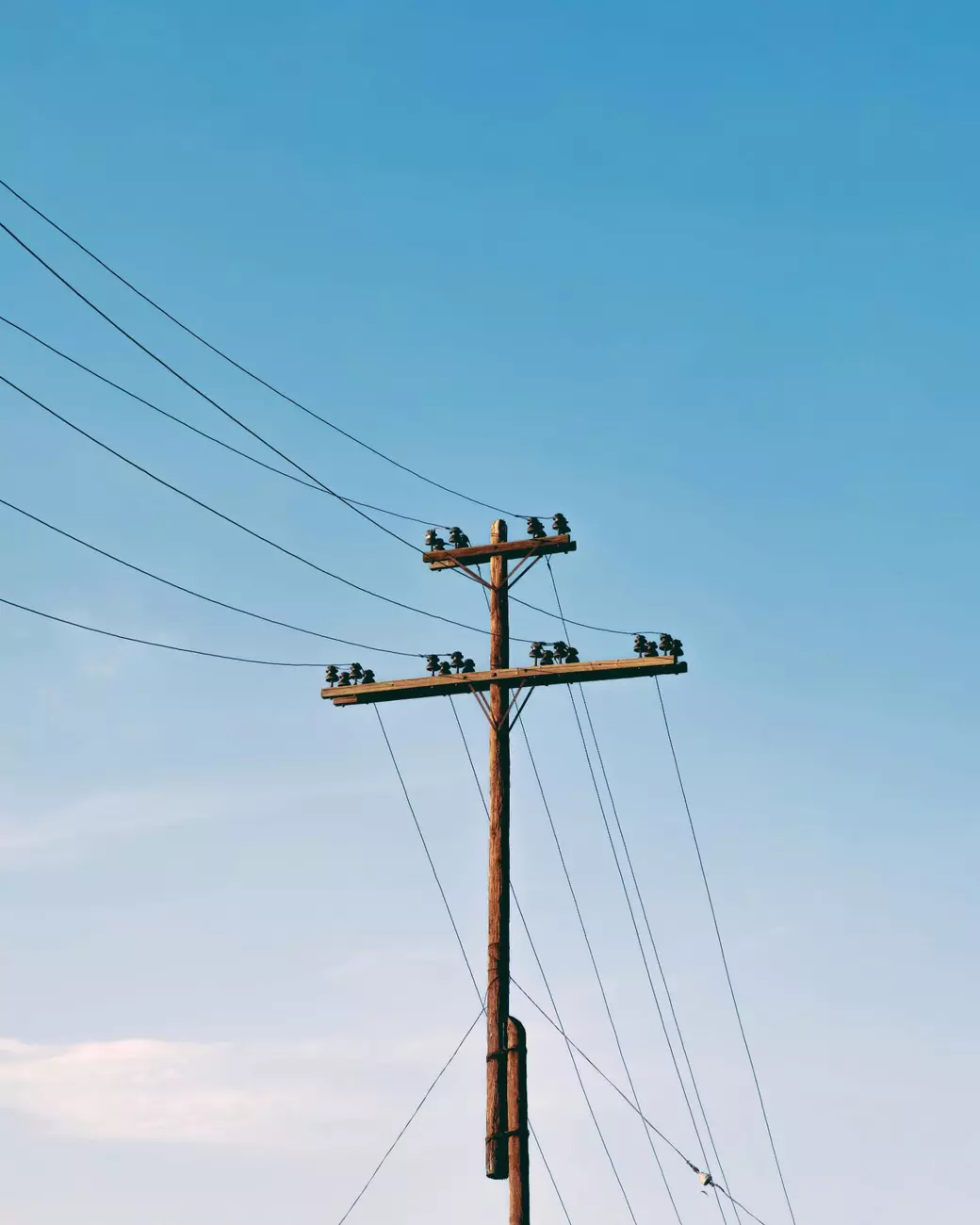
A utility easement is a legal right for a utility provider (or municipality) to access part of a property for infrastructure such as:
-
Water and sewer lines
-
Storm drainage
-
Electric or gas lines
-
Communications infrastructure
The key point: you still own the land, but your use of that portion is restricted.
Restrictions vary, but they often limit:
-
Permanent structures
-
Pools
-
ADUs or additions
-
Large trees or deep-rooted landscaping
Why Easements Are Especially Relevant in Austin
Austin’s growth patterns make easements more impactful than many buyers expect:
1. Newer Subdivisions Often Push Infrastructure to the Rear
In master‑planned communities, it’s common to see wide rear utility easements running across the back of the lot. The yard may look large—but not all of it is equally usable.
2. Greenbelt and Drainage Easements Are Common
Homes backing to greenbelts, creeks, or detention areas often carry drainage easements. These can be visually attractive but functionally limiting.
3. Infill and Redevelopment Add Complexity
In older neighborhoods, easements may be:
-
Irregularly shaped
-
Poorly marked on the ground
-
Added long after original construction
This can complicate remodel or expansion plans.
The Most Common Backyard Surprises
Buyers often discover easement implications late, when plans are already forming.
Typical “wait, what?” moments include:
-
A pool design rejected because it encroaches on a sewer easement
-
A planned ADU blocked due to access requirements
-
A fence or retaining wall needing special approval or removal
-
Utility crews legally entering the yard (and sometimes removing improvements)
None of this is personal. Easements run with the land, not the owner.
How Easements Affect Property Value (Quietly)
Easements don’t usually create a direct price deduction, but they influence value indirectly by:
-
Reducing functional yard space
-
Limiting future expansion options
-
Narrowing the buyer pool (especially for ADU‑minded buyers)
-
Creating uncertainty during resale
Two lots with the same square footage can live very differently if one has a 15‑foot rear easement and the other doesn’t.
Why Surveys Matter More Than Listings
Listings often mention “large backyard” without context.
A survey tells the real story:
-
Exact easement location and width
-
Whether improvements encroach
-
How much buildable area actually remains
For buyers planning anything beyond basic use, reviewing the survey early is not optional—it’s preventative.
For Sellers: Transparency Builds Confidence
If your property has a significant easement:
-
Acknowledge it early
-
Clarify what can and can’t be built
-
Share past approvals or improvements that complied
Buyers don’t panic when they’re informed. They hesitate when they feel something was glossed over.
A Practical Reframe for Buyers
Instead of asking:
“How big is the backyard?”
A better question is:
“How much of the backyard is functionally usable for my plans?”
That single shift avoids mismatched expectations later.
Bottom Line
Utility easements aren’t flaws—but they are constraints. In Austin, where buyers increasingly think long‑term about flexibility, rental potential, and customization, understanding those constraints early protects both budget and peace of mind.
The prettiest yard isn’t always the most usable one.
The best property decisions come from reading what isn’t obvious.
If you’re buying or selling in the Austin area and want a clear, practical read on easements, surveys, and how they affect real‑world use and value, I’m happy to help you interpret the details before they become limitations.
Categories
Recent Posts









JW Roeder