
Why Homes That “Almost Work” Can Be Harder to Sell Than Homes With Clear Flaws
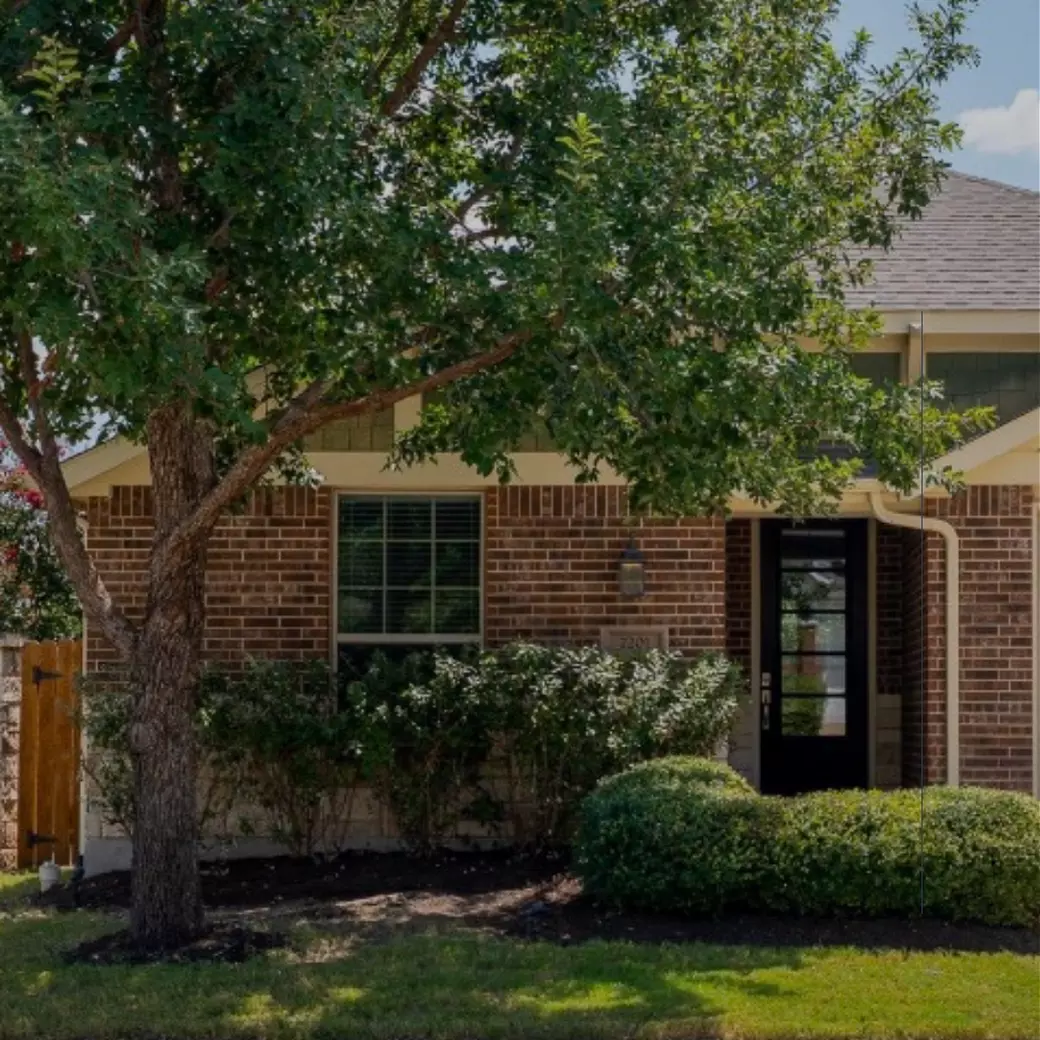
In Austin real estate, there’s a category of home that quietly underperforms—and it’s not the one most people expect.
It’s not the fixer-upper.
It’s not the odd layout.
It’s not even the dated kitchen.
It’s the home that almost works.
These are properties that are close to ideal, but just slightly misaligned with buyer expectations. And paradoxically, they can be harder to sell—and harder to price—than homes with obvious, well-understood flaws.
What an “Almost” Home Looks Like in Practice
An “almost” home usually checks many boxes:
-
The layout is mostly right
-
The updates are mostly done
-
The location is mostly ideal
-
The price is almost compelling
But something small keeps buyers from emotionally committing.
Common examples:
-
A beautiful home with one awkward main living space
-
A renovated house where one bathroom feels untouched
-
A move-in ready home that still needs window treatments or lighting
-
A great location that’s just one block off what buyers had in mind
None of these are dealbreakers.
But together, they create hesitation.
Why Buyers Struggle With “Almost” More Than Obvious Tradeoffs
Buyers are surprisingly good at rationalizing clear compromises.
They’ll say:
-
“We know it needs work — that’s why it’s priced this way.”
-
“We expected the layout to be quirky in this neighborhood.”
What’s harder is reconciling:
-
“I like it, but I don’t love it… and I can’t quite explain why.”
That uncertainty triggers comparison shopping, second showings, and delayed decisions—especially in a market like Austin where buyers feel they should be confident before moving forward.
The Pricing Trap Sellers Fall Into
Sellers of “almost” homes often price based on:
-
The updates they completed
-
The comps they feel closest to
-
The fact that the home is “better than most”
The issue is that buyers don’t price homes emotionally the same way sellers do.
They price based on:
-
How clean the decision feels
-
How many objections they must talk themselves through
-
How much future effort they sense
When a home creates even mild friction, buyers expect a clarity discount, not a justification.
Why “One More Thing” Matters More Than You Think
In many cases, performance improves dramatically when sellers address one remaining friction point, such as:
-
Completing a half-finished update
-
Improving lighting in a key room
-
Clarifying use of an ambiguous space
-
Adjusting price decisively instead of incrementally
Buyers rarely need perfection—but they crave resolution.
A home that feels intentionally finished often outperforms a technically superior home that feels undecided.
How This Shows Up During Showings
Homes that “almost work” tend to generate feedback like:
-
“We liked it, but…”
-
“We’re going to keep looking.”
-
“It’s on our maybe list.”
These aren’t rejections. They’re stalls.
And stalls are dangerous in a market where attention moves quickly.
A Better Way to Think About Positioning
Instead of asking:
“How does my home compare to others?”
A more effective question is:
“How easy is it for a buyer to say yes without explaining themselves?”
The fewer internal explanations a buyer needs, the stronger your leverage.
For Buyers: Why This Matters Too
Buyers often walk away from “almost” homes only to realize later:
-
They’ve been chasing emotional certainty, not functional fit
-
The tradeoff they avoided was actually solvable
-
The home they passed on had less competition than the “perfect” ones
Understanding this dynamic can help buyers spot opportunity where others hesitate.
Bottom Line
Homes don’t need to be perfect to sell well.
But they do need to feel decided.
In Austin, where buyers are thoughtful and comparison-driven, “almost” can be more confusing than clearly imperfect. The most successful outcomes—on both sides—come from reducing ambiguity, not defending it.
Categories
Recent Posts









JW Roeder