
Austin Real Estate Market Update: Summer 2026 — What the Numbers Mean for Buyers and Sellers

The Quarterly Economic Brief from Unlock MLS is out and as of mid-2026, the Austin metro housing market is really pretty steady. Closed sales across the region rose 4.2% year-over-year to 15,853 in the first half of the year, while the median sales price eased 2.3% to $430,000. Job growth held strong, single-family construction climbed against the national trend, and the apartment surplus that kept rents soft is thinning out.
I go through this Unlock MLS Research brief every quarter. Here's the version I'd give you across the table — what these numbers actually mean if you're trying to decide whether to buy or sell this fall.
Key takeaways
- Home sales rose 4.2% year-over-year to 15,853 (first half of 2026); median price fell 2.3% to $430,000.
- Austin MSA unemployment sat at 4.1% in June 2026, with hiring led by life sciences and a new Apollo Global Management hub.
- Single-family building permits ran 21.2% ahead of last year locally, while state (−9.6%) and national (−0.2%) permits fell.
- Apartment rents rose 1.3% quarter-over-quarter, the first increase since Q3 2022; units under construction are down 73% from the 2023 peak.
- The share of residents 65 and older is projected to climb from about 13% in 2025 to roughly 22.4% by 2060.
Are Austin home prices rising or falling in 2026?
Falling a little, while sales go up. The Austin metro median sales price dipped 2.3% year-over-year to $430,000 through June 2026, even as closed sales rose 4.2% to 15,853.
That mix is healthier than it sounds. More homes are actually closing, and buyers are paying a bit less than they would have a year ago. You don't see that in a red-hot market or a falling one. You see it when buyers get some of their footing back. So if you backed off because you figured you'd been priced out, I'd take another look with you. Nothing's running away from you right now.
Is Austin's job market still strong in 2026?
It is. Austin MSA unemployment held at 4.1% in June 2026, with a labor force near 1.54 million and the new jobs landing in high-wage sectors.
Apollo Global Management just picked Austin for a new hub in early August, hundreds of jobs attached. Most of the other big announcements this quarter came out of life sciences — Natera (400 jobs), Biorce (150), OriGen Biomedical (130). A couple of things I'd point out to you. These are good-paying jobs, and that's the demand that keeps housing steady over the long haul. And it's not just downtown anymore. Cedar Park, Buda, and Taylor all landed headquarters this quarter. When you and I talk about "the Austin market," I don't mean one city. I mean a whole string of towns from Georgetown down to Dripping Springs, and every one of them moves a little differently.
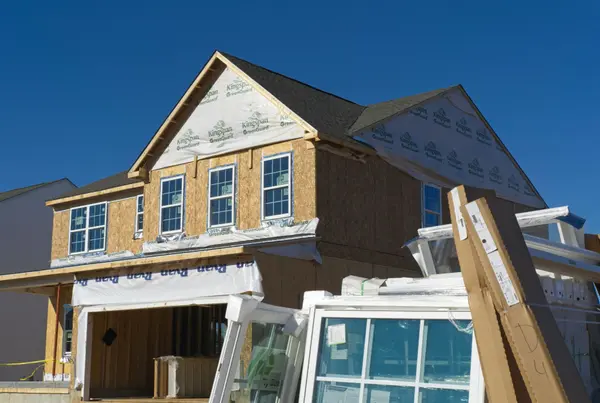
Is new home construction slowing in Austin?
Not here — it's picking up. Single-family building permits in the Austin metro ran 21.2% ahead of last year through June 2026, while permits fell 9.6% statewide and 0.2% nationally.
Our builders are going the opposite direction from everybody else. But confidence nationally is still shaky, and nervous builders act in ways you can use. Leaner pipelines, fewer floor plans, and a lot of room to negotiate. If you're even thinking about new construction, that last part is where I'd focus you. A builder putting up homes in an uneasy market will move on rate buydowns, upgrades, and closing costs in ways they won't when they're feeling good. That's exactly the kind of thing I'm reading for you — the builder's incentives, not whatever the sales office is telling you.
Are Austin apartment rents going up again?
Yeah, for the first time in almost three years. Austin effective rents rose 1.3% quarter-over-quarter in Q2 2026, the first positive quarter since Q3 2022, because the new supply dried up.
Units under construction are down to 14,247 — off 31% from last year and down 73% from the 2023 peak. Only 588 units broke ground last quarter. For a couple of years, all those new apartments kept rents flat and gave people a good reason to keep renting. That's ending. I'm not going to tell you renting is a mistake — for plenty of folks it's the right move. I'd just want us to run your numbers again before you assume the answer's the same as it was a year ago.
How is Austin's population changing by 2060?
It's getting older. The share of Central Texas residents aged 65 and older is projected to rise from about 13% in 2025 to roughly 22.4% by 2060, which changes what kind of housing the region needs.
That's a long way out, I know. But it points toward single-level homes, easier access, and room for more than one generation under a roof — and it changes how I'd have you think about a house as an asset today. If we're deciding between two homes at the same price, I'm going to steer you toward the one that'll appeal to more buyers down the road. That's the one that protects your money. Demographics move slow, but they don't turn around.
Should you buy or sell in Austin right now?
It comes down to your timeline, but the conditions are fair right now. More sales, a little price relief for buyers, solid jobs, and builders adding homes while the rest of the country waits it out.
None of that means you rush. It means you can make a clean decision on your terms instead of somebody else's. If you want to sit down and figure out what all this means for you specifically — buying, selling, or just deciding whether now's your time — that's my job. No obligation, and I'm not going to push you to move before you're ready.
Frequently asked questions
What is the median home price in Austin in 2026? The Austin metro median sales price was $430,000 year-to-date through June 2026, down 2.3% from a year earlier.
Is now a good time to buy a home in Austin? Buyers have more room to work with in 2026 than they've had in a while — sales are up, prices are slightly down, and builders in a cautious national market are offering concessions on new construction. Whether it's right for you comes down to your timeline and budget, not the headlines.
Are Austin apartment rents still falling? No. Rents turned positive in Q2 2026, up 1.3% quarter-over-quarter, after nearly three years of declines. With new apartment construction down 73% from its 2023 peak, the supply that held rents down is drying up.
Categories
Recent Posts





JW Roeder